 Calculator Suite
Precision Sail Trim & Rig Ranking Calculator
Calculate exact halyard tension, outhaul camber, backstay hydraulic load, and jib car lead positions based on wind velocity and wave angle.
Launch Calculator ToolOptimize yacht polar diagrams, evaluate IRC/ORC rating handicaps, calculate real-time sail twist and draft depth, and access expert offshore seamanship literature.
Venturing offshore without empirical polar diagrams, dynamic rig adjustments, and isobaric weather modeling leaves everything to chance. When you have the right telemetry and verified sailing knowledge, your voyage won't feel like playing in a casino—every sail change, tack angle, and routing decision becomes a deliberate, confidence-driven step toward safety and speed.
Instantly compute recommended sail combinations, mast bend allowances, and rig tension settings based on true wind velocity and sea state.
Engineered for navigators, racing skippers, and naval architects seeking exact, repeatable maritime performance benchmarks.
Calculator Suite
Calculate exact halyard tension, outhaul camber, backstay hydraulic load, and jib car lead positions based on wind velocity and wave angle.
Launch Calculator Tool Routing Suite
Model GFS and ECMWF isobaric weather overlays against yacht polar curves to derive optimal routing waypoints and arrival ETA rankings.
Access Routing Suite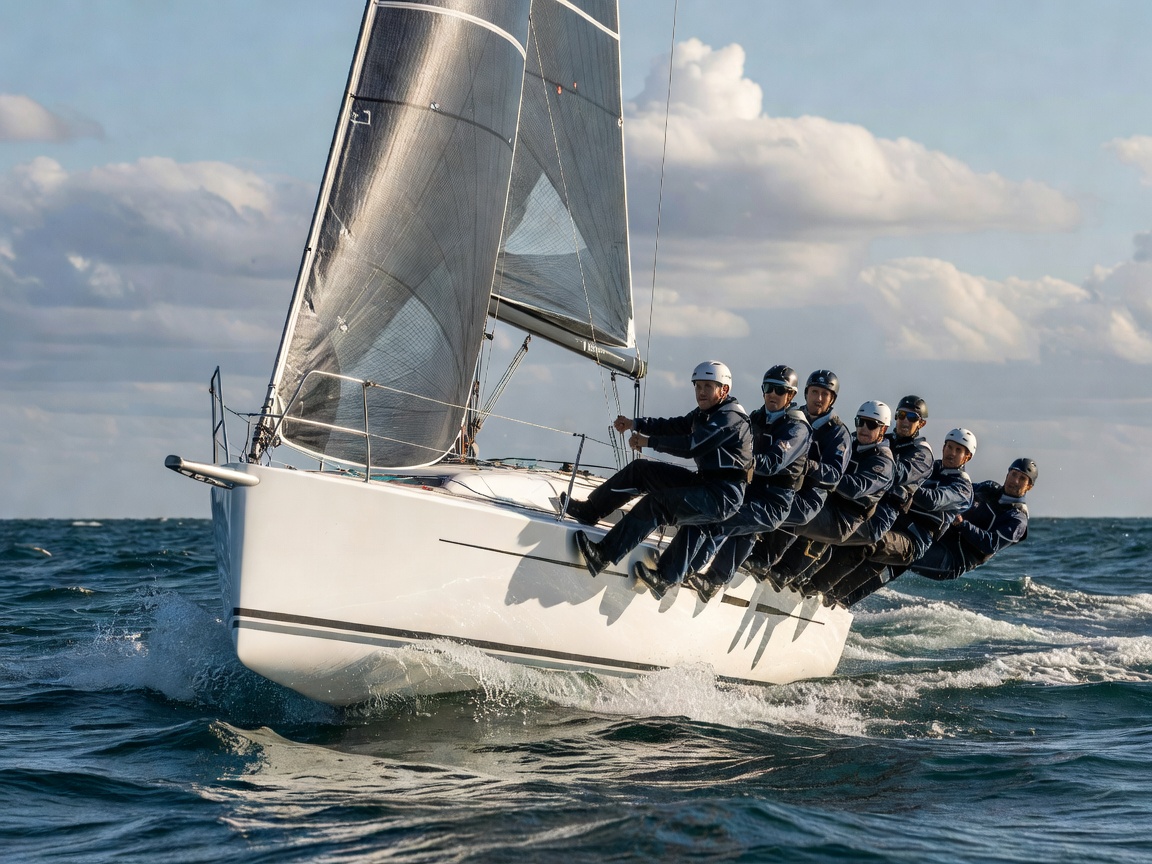 Rating Engine
Deconstruct handicap certificates, evaluate draft-to-displacement ratios, and optimize sail area parameters for regatta rating advantages.
Analyze Handicap RatingModern cruisers and racers avoid high-stakes ocean uncertainty by combining structural analysis with atmospheric forecasting.
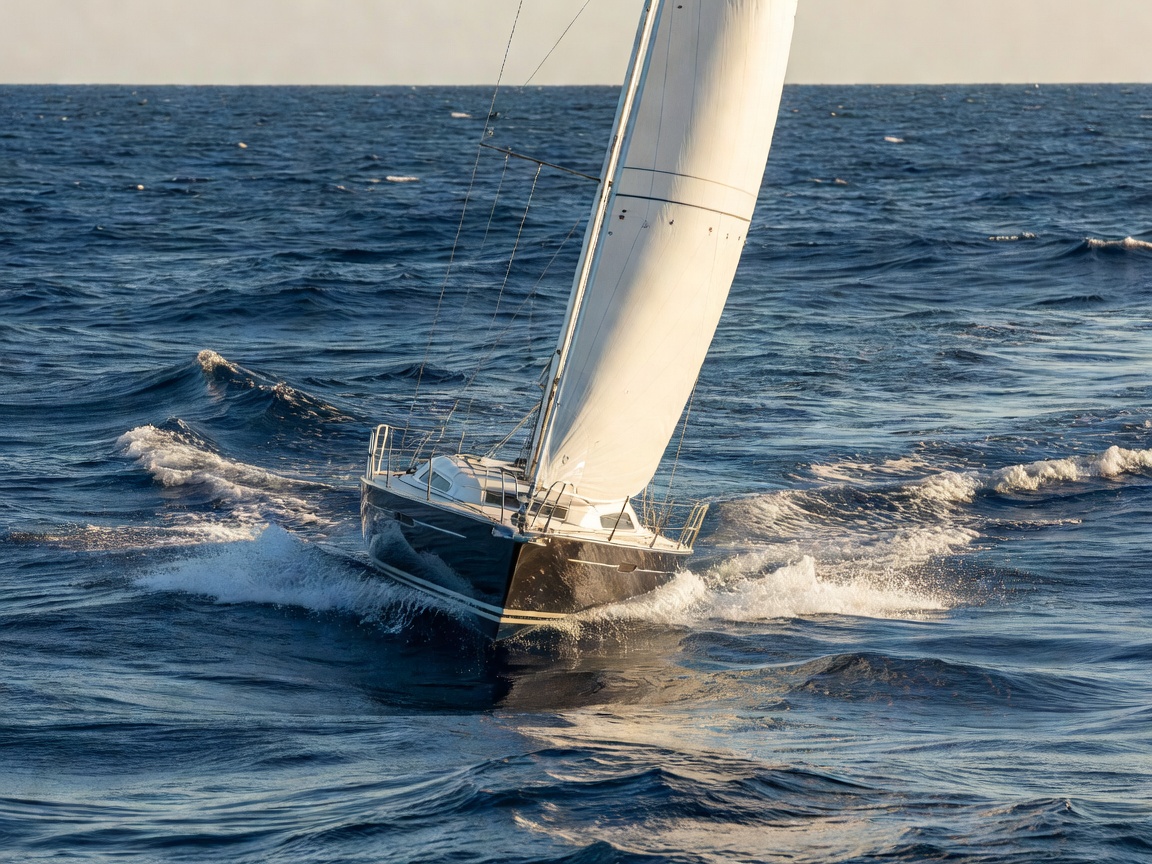
Aligning max draft depth at 42%–48% chord length maintains laminar boundary layer attachment and generates positive lift over drag across all points of sail.
Utilizing high-resolution ECMWF and NOAA GFS numerical predictions converts route planning from guesswork into deterministic isochrone calculations.
Managing crew ballast weight and sail area reefing intervals ensures vessel heel angle stays within optimal hydrodynamic efficiency limits (18°–22°).
Continuous monitoring of composite and nitronic stays prevents sudden dismasting through structured ultrasonic non-destructive testing schedules.
Authored by experienced offshore navigators, naval architects, and master riggers.
 Technical Guide
A practical manual on heave-to balance, series drogue deployment sequences, and storm canvas rigging adjustments for gale force conditions.
Read Complete Article Navigation
Combining traditional sextant sight reduction with digital GPS backups: noon sights, Polaris latitude determination, and star triples.
Read Complete Article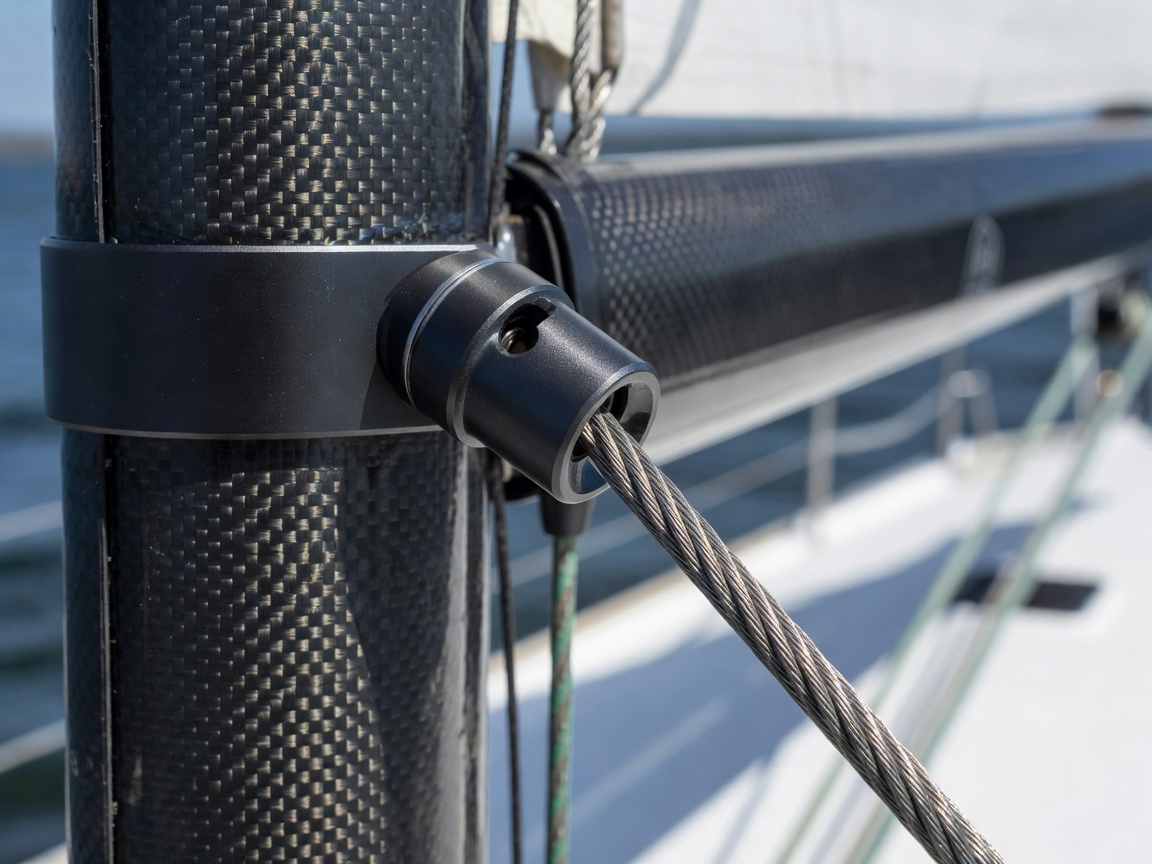 Maintenance
Ultrasonic testing, dye penetrant checks, and ultraviolet degradation prevention for high-modulus continuous carbon fiber stays.
Read Complete Article